

Music is more than just an art form; it plays a crucial role in cognitive development and language learning. Scientific research has shown that engaging with music, especially from an early age, can significantly improve brain function, memory, and language acquisition. This article explores the impact of music on language learning and why music education should be considered essential for everyone, not just future musicians.
How Music Education Enhances Brain Development
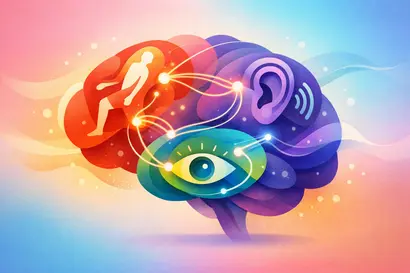
Neuroscientific studies reveal that music education activates three major areas of the brain simultaneously: the motor, visual, and auditory cortices. This coordinated stimulation acts like a full-brain workout, promoting more effective brain function. Musicians, defined as individuals who have formally learned an instrument for at least two years, consistently display differences in brain structure and function compared to non-musicians. For example, musicians develop a larger corpus callosum, the bridge between the two brain hemispheres, allowing faster and more creative communication across brain regions.
This increased connectivity contributes to higher levels of executive function, which is essential for solving complex problems that require logical, strategic, and emotional reasoning. Additionally, musicians often have enhanced memory systems because they tag memories with emotional, visual, and contextual cues during musical practice, making recall stronger and more nuanced.
Music and Language Processing: A Close Relationship
From birth, humans process language through networks closely tied to music perception. Research involving newborns shows that babies use music-processing areas of the brain to recognize and make sense of their mother’s voice, highlighting that music and language processing share foundational brain pathways. This intrinsic musicality in language acquisition suggests that music education supports early language learning by reinforcing these connections.
The benefits extend beyond infancy. Music helps learners become comfortable with the challenges and discomfort associated with acquiring new skills, such as learning a second language. This comfort with learning difficulties fosters persistence and gradual improvement, key components for mastering language fluency.
Early Music Education Raises Cognitive Capacity and IQ
Notably, children who embark on music education before age seven score significantly higher on IQ tests than those who do not. Studies report that early music learners score an average of 7.5 IQ points higher, which correlates with greater intellectual capacity. To put this in perspective, each additional IQ point corresponds to an approximate increase of $700 in average annual earnings, illustrating the long-term social and economic benefits of music education.
Such cognitive enhancements include improvements in literacy, numeracy, and problem-solving abilities, all highly relevant to language learning effectiveness. Given these advantages, universal access to music education could deeply influence educational outcomes and reshape the intellectual landscape of future generations.
Practical Insights for Language Learners and Educators
Incorporating music into language learning routines can take many forms, from listening exercises that engage auditory and emotional memory to active participation in singing or playing instruments. This multisensory approach can help learners internalize sounds and rhythms of a new language, improving pronunciation, fluency, and retention.
Moreover, educators are encouraged to view music education not as an optional extra but as an essential part of language acquisition programs. Observing or participating in musical rehearsals, encouraging persistence in learning instruments, and supporting early music instruction can provide learners with these cognitive advantages.
The Broader Educational and Social Implications
Music education’s influence goes beyond individual benefits. It holds potential to address learning disorders, such as dyslexia and ADHD, which often reflect miscommunication between brain hemispheres or timing issues across sensory areas. Since music strengthens the coordination of these brain regions, it offers a promising complementary approach to traditional educational strategies.
As language learners, understanding the deep connection between music and language processing can inspire new techniques that enhance fluency and enjoyment in learning. For those interested in exploring related linguistic topics, resources on first language effects on second language and overcoming language anxiety provide valuable insights into the cognitive and emotional aspects of language acquisition.
Conclusion
Music education is a powerful tool that positively impacts language learning by enhancing cognitive abilities, memory, and neural connectivity. Early and consistent exposure to music can raise general cognitive capacity, improve language processing skills, and foster a resilient attitude toward learning challenges. Given these benefits, advocating for more widespread and accessible music education can transform how languages are learned and, ultimately, how societies develop intellectually and culturally.